

Newcastle-Disease-Affected Seagulls
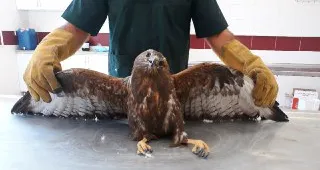
A Eurasian magpie with neurological signs such as torticollis, imbalance, and diarrhea was referred to the Lorestan University Veterinary Hospital.
Considering the aforementioned signs, procedures such as radiography, blood tests and hematocrit, Giemsa stain, and Gram staining of feces were performed. The results of these tests showed a hematocrit of 47%, a normal Gram stain, and the absence of blood parasites. After taking radiographs of the bird and confirming the health of the cervical vertebrae, trauma was ruled out, and supportive treatment was initiated to assist the bird in overcoming Newcastle disease. This included intravenous fluid therapy with 5 cc in the wing vein to compensate for dehydration, intramuscular injection of enrofloxacin and dexamethasone to prevent secondary infections and reduce disease symptoms, oral administration of Vitamin B Complex to compensate for potential deficiencies of B vitamins, loss of appetite, and to aid in hematopoiesis and increase the body's resistance. However, the prognosis for Newcastle disease is poor, and because the virus damages the CNS, the possibility of neurological signs persisting after complete treatment and recovery of the bird exists. This referral case from the provincial Department of Environment, after recovery and the necessary clinical care by veterinarians and interns in the veterinary hospital, was handed over to the relevant authorities.